TLDR
- Regular hot water system maintenance keeps your system efficient and prevents unexpected breakdowns.
- Underground issues like cracked pipes, sewer blockages, and drainage restrictions can reduce water pressure throughout your home, which may indirectly affect hot water performance
- Servicing your system every 1–2 years helps catch early signs of leaks, pressure issues, or drainage problems before they escalate.
- Sewer blockages and pipe damage are often caused by ageing pipes, cracks, ground movement, or foreign obstructions.
- This guide explains how maintenance works, the warning signs to watch for, and the best ways to protect your plumbing and drain pipes from tree root obstruction and long-term tree root damage.
Most homeowners think of hot water maintenance as something you handle only when the water goes cold. But the reality is that regular upkeep of your plumbing system – both above and below ground – protects your home from problems you can’t always see. Issues such as cracked pipes, ageing sewer lines, or blockages can reduce water pressure and cause inconsistent hot water flow. When underground pipes crack, leak, or shift, moisture escapes into surrounding soil and attracts tree roots. Over time, this leads to tree root invasion, tree root blockage, and even broken pipes.
Issues like slow drains, fluctuating water temperature, slow drainage, or gurgling sounds can all be signs of deeper trouble. Tree roots in drains often start small but gradually form larger obstructions that affect pressure in your plumbing system, including your hot water performance.
Neglecting maintenance doesn’t just impact comfort. It can lead to costly sewer pipe repair, structural damage, or major excavation work. This article shows you how maintenance helps prevent all of that.
Why Hot Water System Maintenance Matters
Your hot water system is made up of interconnected plumbing pipes, valves, thermostats, and components that work together daily. Without regular servicing, sediment builds up inside the tank, causing rumbling noises, reduced efficiency, or air pockets caused by uneven heating. Corrosion can lead to leaking pipes, while pressure changes might hint at early blockages forming somewhere along your drain lines.
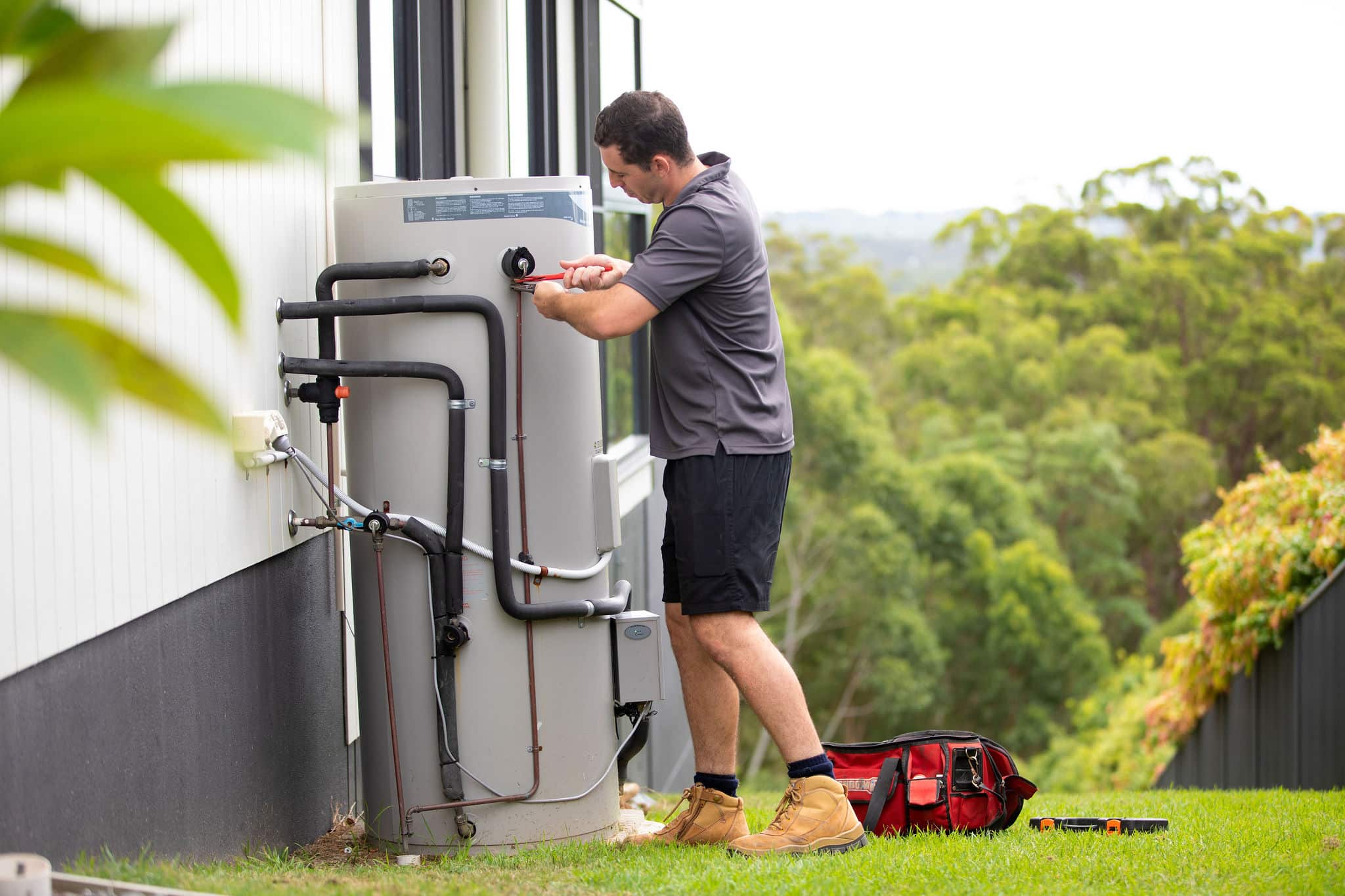
Most systems should be serviced every 1–2 years. A professional plumber will:
- Flush the tank to remove sediment and mineral buildup
- Inspect valves, anodes, and thermostats
- Check for structural damage, leaks, and early signs of drainage issues around the home
- Monitor pressure consistency across the entire pipe system
- Assess whether external plumbing conditions may be affecting household water flow
If you’re noticing slow drains, slow drainage, or inconsistent water temperature, the cause may not be the hot water unit itself. Issues such as cracked pipes, ageing sewer lines, or general drainage restrictions often reduce flow.
Common Hot Water Issues Linked to Drain or Sewer Problems
Drainage problems and hot water faults often overlap. When sewer lines or drainage pipes become restricted by tree roots, crushed sections, or damaged pipes, your hot water unit struggles to maintain pressure. Some of the most common cross-system issues include:
- Backflow or slow drainage caused by damaged or blocked drainage lines
- Pressure drops linked to blocked drains or sewer restrictions
- Leaks near older clay pipes or stormwater drains that soak surrounding soil and attract root growth
- Sewer blockages that push wastewater back toward your plumbing system
If tree roots grow through tiny gaps in sewer pipes, they can create a tree root problem that indirectly affects hot water flow. Because plumbing systems share utility lines and sewer drains, any obstruction or root intrusion affects multiple fixtures.
A professional plumber can use leak detection tools or a CCTV drain camera to confirm whether the problem lies inside the hot water unit or deeper within underground pipes.
Refined Plumbing Sunshine Coast specialises in diagnosing both sides of the plumbing system, providing long-lasting, permanent solutions rather than a temporary fix.
Understanding Tree Roots in Pipes and Drains
Tree roots in pipes occur when roots grow toward the nearest water source. Even the tiniest crack in underground pipes releases moisture into the surrounding soil, which instantly attracts a root system. Whether you have invasive tree roots or existing trees with naturally spreading roots, moisture is what pulls roots toward sewer drains and utility lines.
Once a root infiltration begins, it quickly expands into a thick cluster of blocked drain tree roots. As roots grow inside drain lines, they restrict flow, create tree root obstruction, and eventually cause broken pipes or structural damage. If left untreated, the problem escalates to full sewer pipe repair or even replacement.
Common signs of tree root invasion include:
- Gurgling sounds from toilets or nearby drains
- Slow drains or slow drainage in showers and sinks
- Unpleasant odours rising from sewer drains
- Wet soil or unexplained dampness in the yard
- Drops in water pressure or temperature fluctuations
Plumbers often use a CCTV drain camera because it allows precise identification of root intrusion or root invasion without excavation.
“We see root intrusion in sewer pipes across the Sunshine Coast almost every week. Finding it early prevents major sewer pipe repair and helps protect the entire plumbing system,” says [name] from Refined Plumbing Sunshine Coast.
Without early intervention, invasive root systems can destroy older clay pipes, cause sewer blockages, damage septic systems, and allow sewage lines to collapse.
Professional Sewer Pipe Repair: When DIY Isn’t Enough
DIY methods like rock salt, weed killer, or copper sulphate may seem like quick solutions. While they sometimes kill roots or help clear roots temporarily, they do not address the real problem: cracked sewer pipes, deteriorated drainage pipes, or deeper obstructions inside the sewer system. In some cases, these chemicals can make damaged pipes worse.
Professional sewer pipe repair involves several precise steps:
1. CCTV inspection
Pinpoints tree root intrusion, damaged pipes, or underground pipe weaknesses.
2. High-pressure jetting and mechanical augers
These tools remove obstructions, clear build-up, and restore flow through damaged sewer pipes.
3. Pipe relining or pipe replacement
Modern pipe relining and pipe relining work use an epoxy resin-filled liner to reinforce sewer pipes internally. This creates a smooth, root-resistant barrier and avoids excavation.
Unlike DIY methods, professional repairs prevent root intrusion from returning and restore long-term system integrity. It’s the safest way to repair sewer pipes, unblocking drains while protecting underground pipes and drain pipes from future invasion.
Preventative Maintenance Tips
Preventing tree root problems and maintaining healthy hot water flow is easier when you stay proactive. Here are practical steps for homeowners:
Schedule annual inspections
A professional plumber can check for root growth, tree root obstruction, damaged pipes, and other early-warning signs in sewer drains and drainage pipes.
Manage vegetation wisely
Avoid planting bigger trees near sewer lines or utility lines. If you plan to plant trees, choose species with non-aggressive root systems to avoid root intrusion later.
Install physical barriers or upgrade old pipes
PVC pipes and relined pipes resist tree root invasion better than older clay pipes.
Use strainers and avoid debris build-up
Less debris means fewer chances for moisture-rich blockages that attract roots in pipes.
Notice changes in pressure or drainage
Sudden slow drains, water gurgling, slow drainage, or low pressure may indicate tree roots in drains or an offending tree spreading roots underground.
Proactive inspection is more affordable than emergency digs or full sewer pipe repair. The right prevention strategies help protect plumbing pipes, underground pipes, and your entire plumbing system.
Why Choose Refined Plumbing Sunshine Coast
Refined Plumbing Sunshine Coast understands how local conditions affect sewer pipes, hot water units, and underground plumbing. Sunshine Coast soils often stay moist, creating ideal environments for invasive tree roots and root intrusion around older plumbing infrastructure.
Their strengths include:
- Experienced, licensed plumbers
- Specialised leak detection and CCTV drain camera inspections
- Expertise in both hot water system servicing and unblocking drains
- Modern pipe relining techniques for permanent solutions
- Safe, long-term repairs that address recurring sewer and drainage issues
Whether you suspect tree root damage, need hot water repairs, or want to prevent future plumbing issues, Refined Plumbing provides reliable service and lasting solutions.
Regular hot water maintenance and proactive sewer care prevent costly repairs and inconvenient breakdowns. Early signs such as gurgling sounds, slow drainage, low pressure, or odours often point to hidden tree roots in drains or deeper obstructions forming within sewer pipes. Addressing these early protects your plumbing system from cracked pipes, sewer blockages, and expensive future excavation.
For expert hot water servicing or professional sewer pipe repair, contact Refined Plumbing Sunshine Coast – their team will keep your home’s plumbing running smoothly year-round.